Inhoudsopgave
Bezoekers naar je website krijgen is nog nooit zo duur geweest. Of je nu investeert in SEO, Google Ads, social media of e-mailmarketing, elke bezoeker kost tijd, geld of allebei. Daarom is het frustrerend om te zien dat iemand door je producten bladert, artikelen aan de winkelwagen toevoegt, de checkout start en vervolgens vertrekt zonder de aankoop af te ronden.
Op het eerste gezicht voelt dit als een gemiste verkoop. In werkelijkheid is een afgebroken checkout vaak een van de makkelijkste kansen om je omzet te verhogen. Deze bezoekers hebben al oprechte koopintentie getoond. Ze hebben het juiste product gevonden, vertrouwen genoeg in je webshop om de checkout te starten en hebben in veel gevallen zelfs hun contactgegevens al ingevuld. De uitdaging is niet meer om ze te overtuigen om te kopen. Het gaat er simpelweg om ze eraan te herinneren terug te komen.
Voor eigenaren van een WooCommerce webshop kan het herstellen van afgebroken checkouts een verrassend hoog rendement opleveren, zonder je advertentiebudget te verhogen of meer verkeer aan te trekken. In deze gids leggen we uit waarom klanten hun checkout afbreken, hoe herstel werkt in WordPress en wat je kunt doen om automatisch meer verkopen terug te halen met Leadsback.
Wat is een afgebroken checkout?
Een afgebroken checkout ontstaat wanneer een bezoeker de checkout start, maar vertrekt voordat zijn bestelling is afgerond. Dit is net iets anders dan een verlaten winkelwagen, waarbij iemand alleen producten toevoegt zonder door te gaan naar de checkout. Zodra een bezoeker de checkoutpagina bereikt en zijn gegevens begint in te vullen, heeft hij al een aantal belangrijke stappen gezet richting klant worden.
Dit onderscheid is belangrijk, want klanten die tijdens de checkout afhaken, hebben al tijd geïnvesteerd in de aankoop. Ze hebben duidelijke intentie getoond en zijn over het algemeen veel makkelijker terug te halen dan iemand die alleen even rondkeek en vertrok.
Voor veel webshops vertegenwoordigen deze bezoekers de meest waardevolle leads die ze al in bezit hebben, maar zich vaak niet realiseren dat ze die hebben.
Waarom breken klanten hun checkout af?
Het is makkelijk om aan te nemen dat iemand zijn aankoop afbrak omdat hij van gedachten veranderde, maar dat is meestal niet het hele verhaal. Online kopen is zelden een rechte lijn van productpagina naar betaalbevestiging. Mensen vergelijken producten, worden onderbroken door werk, nemen een telefoontje aan, wisselen van apparaat of besluiten simpelweg dat ze de aankoop later afronden.
Soms ligt de reden binnen jouw invloed. Onverwachte verzendkosten, beperkte betaalmethoden of een ingewikkeld checkoutproces kunnen allemaal het afhaakpercentage verhogen. In andere gevallen is er helemaal niets mis met je website. Het leven komt gewoon tussendoor.
Het belangrijkste om te onthouden is dat een afgebroken checkout niet per se een verloren klant betekent. Vaker vertegenwoordigt het een onderbroken koopreis.
Herstelt WooCommerce afgebroken checkouts?
Een van de grootste misvattingen onder WooCommerce-eigenaren is dat afgebroken checkouts automatisch worden opgevolgd.
Standaard verstuurt WooCommerce geen herinneringsmails, houdt het geen onvolledige checkouts bij en biedt het geen manier om klanten terug te halen die vertrekken voor ze betalen. Zodra iemand zijn browser sluit, stopt het gesprek feitelijk, tenzij je aanvullende software hebt.
Dat betekent dat waardevolle verkoopkansen elke dag stilletjes verdwijnen, zonder dat de meeste bedrijven het zelfs merken.
Gelukkig vraagt het terughalen van die bezoekers niet om een ingewikkelde marketingopzet. Moderne hersteltools kunnen het hele proces automatiseren en naadloos integreren met je bestaande WooCommerce webshop.
Hoe checkoutherstel werkt
Hoewel de technologie achter checkoutherstel geavanceerd is, moet de ervaring voor de klant moeiteloos aanvoelen.
De eerste stap is bezoekers herkennen zodra ze de checkout starten. Zodra een klant zijn e-mailadres invult, kan een herstelplatform veilig de gegevens opslaan die nodig zijn om het gesprek voort te zetten als de aankoop niet wordt afgerond. Verlaat de klant de website zonder te bestellen, dan wordt de checkout na een vastgestelde periode als afgebroken herkend.
Vanaf dat moment neemt automatisering het over.
In plaats van te vertrouwen op handmatige follow-ups, ontvangt de klant een zorgvuldig getimede herinnering om terug te keren en zijn aankoop af te ronden. De timing van deze e-mails is belangrijk, want klanten converteren veel vaker terwijl de producten nog vers in hun geheugen zitten.
De meeste succesvolle hersteltrategieën vertrouwen niet op één enkele e-mail. Een korte reeks verspreid over de volgende een à twee dagen presteert over het algemeen veel beter dan één herinnering versturen en hopen op het beste. Elk bericht dient een ander doel, of dat nu is om de klant aan zijn bestelling te herinneren, vertrouwen te versterken of een laatste reden te geven om de aankoop af te ronden.
Het doel is niet om mensen onder druk te zetten om te kopen. Het gaat er simpelweg om terugkeren naar hun checkout zo makkelijk mogelijk te maken.
Personalisatie heeft veel meer impact dan kortingen
Veel webshops bieden meteen een korting aan zodra iemand zijn checkout afbreekt. Dit kan in sommige situaties de conversie verhogen, maar het is niet altijd de slimste aanpak.
Klanten hebben niet per se een financiële prikkel nodig. Heel vaak zijn ze simpelweg vergeten hun aankoop af te ronden.
Een persoonlijke herinnering met hun naam, de producten die ze hebben gekozen en een directe link terug naar hun checkout is vaak genoeg om de bestelling terug te halen. Het voelt behulpzaam in plaats van promotioneel, wat een veel betere klantervaring oplevert.
Te vroeg kortingen aanbieden kan ook een onbedoeld gevolg hebben. Klanten leren snel dat hun checkout afbreken resulteert in een kortingscode in hun inbox. Op de lange termijn kan dit je marges verlagen en gedrag aanmoedigen dat je nooit had willen belonen.
Focus in plaats van vanaf het begin op kortingen te leunen liever op relevante en tijdige communicatie. In veel gevallen is dat alles wat nodig is.
Succes meten gaat verder dan herstelde bestellingen
Een paar extra verkopen terughalen is mooi, maar de echte waarde zit in begrijpen hoeveel omzet je hersteltrategie op de lange termijn oplevert.
Het bijhouden van cijfers zoals afgebroken checkouts, herstelde omzet, open rates van e-mails en herstelpercentages geeft je een veel duidelijker beeld van waar kansen liggen binnen je verkooptrechter. Het stelt je ook in staat om te experimenteren met verschillende timing van e-mails, onderwerpregels en boodschappen, zonder te gokken.
Zelfs relatief kleine verbeteringen kunnen een merkbare impact hebben. Je checkoutherstel met slechts een paar procentpunten verhogen levert vaak meer omzet op dan flink meer investeren in het aantrekken van nieuwe websitebezoekers.
Daarom zien veel succesvolle e-commercebedrijven checkoutherstel als een essentieel onderdeel van hun conversiestrategie, in plaats van slechts een extra marketingfunctie.
De juiste hersteloplossing kiezen
Er zijn genoeg marketingplatforms die herstel van verlaten winkelwagens meenemen als onderdeel van een veel groter ecosysteem. Hoewel deze platforms krachtig kunnen zijn, zijn ze vaak ontworpen voor bedrijven die uitgebreide marketingautomatisering nodig hebben en bereid zijn flink wat tijd te steken in het configureren van workflows, integraties en campagnes.
Voor veel WooCommerce-eigenaren is dat onnodige complexiteit.
Een gespecialiseerd herstelplatform richt zich op het uitzonderlijk goed oplossen van één probleem. In plaats van gebruikers te overspoelen met tientallen functies die ze zelden gebruiken, biedt het een eenvoudige manier om afgebroken checkouts te herkennen, gepersonaliseerde herstelmails te automatiseren en de extra omzet die deze mails opleveren te meten.
Leadsback is precies met die filosofie gebouwd. Speciaal ontworpen voor WordPress en WooCommerce, waarmee webshopeigenaren afgebroken checkouts kunnen herstellen zonder ingewikkelde automatiseringsflows te bouwen of te leunen op meerdere marketingtools. Van meertalige e-mailondersteuning en AVG-conforme gegevensverwerking tot gedetailleerde herstelinzichten, alles is erop gericht bedrijven te helpen meer te halen uit de klanten die ze al hebben.
Begin met leads terughalen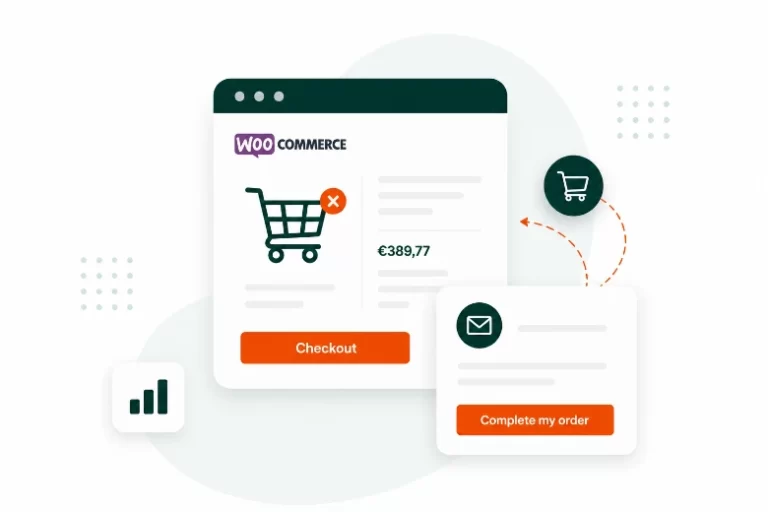
Veelgestelde vragen
Leadsback geeft je een helder overzicht van onafgemaakte formulieren, afgebroken checkouts en je herstelresultaten.